Find overlooked capacity
Support credible providers whose size, geography or funding need can put them outside conventional portfolios.
 Donate
Foundation and agency briefing
Baal Dan finds capable grassroots organizations that larger funding systems can overlook, then surrounds focused grants with research, clear agreements, close communication and annual board review.
Executive case
Scale and proximity solve different problems. Large institutions can coordinate systems and move substantial resources. Small local organizations often see the household, classroom or care center that broad programs do not reach.
Baal Dan is designed for that second problem. It makes bounded grants, generally from $2,500 to $50,000, to organizations already embedded in their communities. The model is not a substitute for large-scale aid. It is a complementary channel for specific needs where local knowledge, speed and close oversight matter.
Support credible providers whose size, geography or funding need can put them outside conventional portfolios.
Start with needs identified locally, from daily food and school access to sanitation, mobility and urgent supplies.
Use direct relationships, proportionate documentation and checkpoints to see progress and surface risk early.
Why this layer matters
Government and international programs are essential for infrastructure, public services, emergency logistics and policy. Their controls are appropriately built for scale, but minimum award sizes, procurement rules and reporting burdens can make very small community organizations difficult to fund.
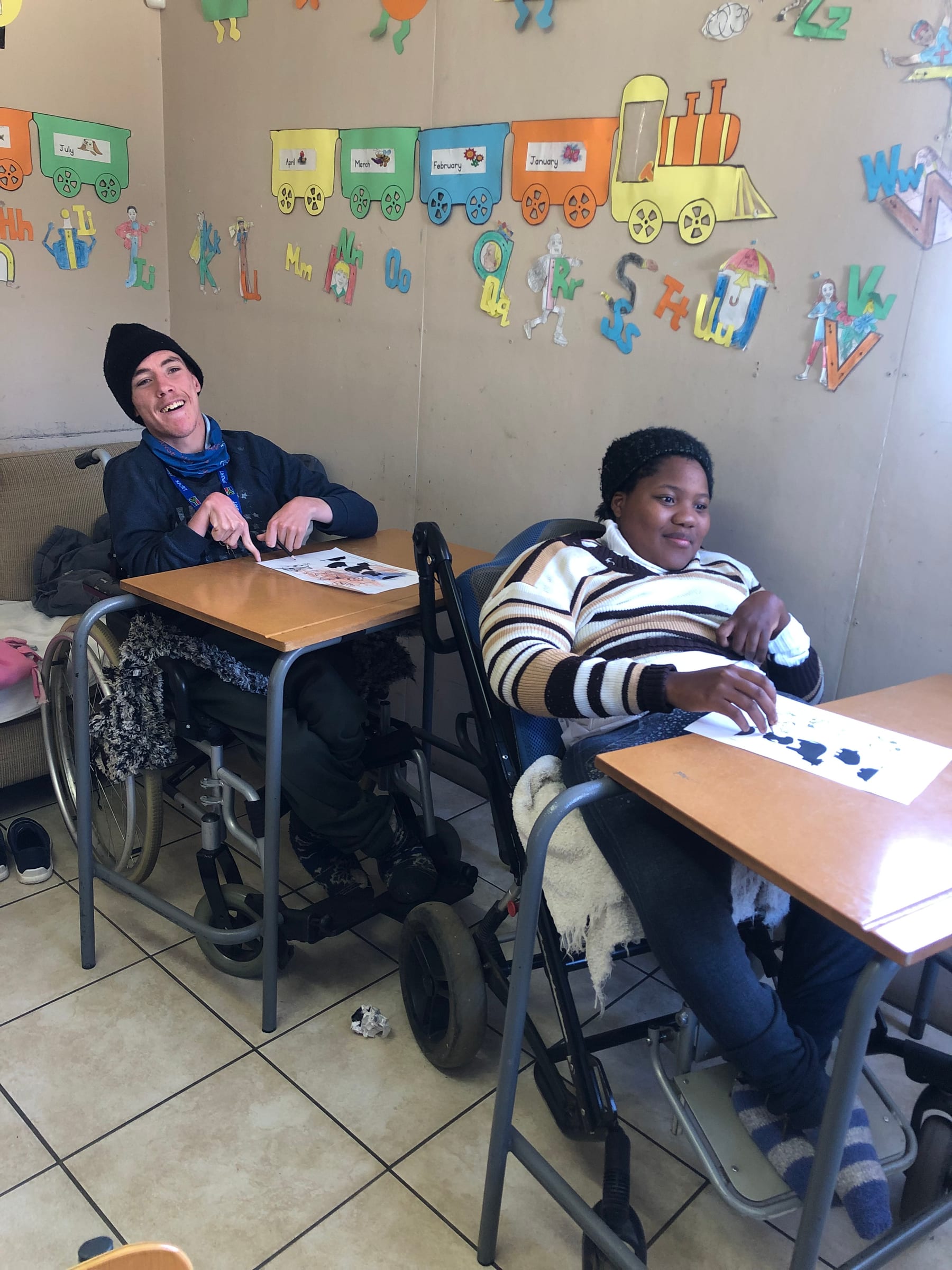
Those organizations may still be the daily source of food, safety, learning or disability care for children. Baal Dan bridges this gap with grants sized to the work, controls proportionate to risk and relationships built around the partner’s operating reality.
Operating model
Each stage creates a documented decision point. Expand a stage to see the evidence Baal Dan expects before moving forward.
Trusted regional networks surface small organizations addressing urgent needs that can sit below conventional funding thresholds.
+Decision evidence
The team reviews legal status, leadership, financial records, safeguarding practices, references and evidence of work on the ground.
+Decision evidence
Partner knowledge shapes a bounded grant with an agreed purpose, budget, timeline, communication cadence and practical indicators.
+Decision evidence
Reports, receipts, photographs, calls and trusted local visits are reviewed at checkpoints so concerns can be addressed early.
+Decision evidence
The board reviews demonstrated need, delivery, risk and available funds each year. Support may continue, change or conclude.
+Decision evidence
Control framework
Controls focus on whether an organization is legitimate, children are protected, spending matches the agreement and the intended support reaches the program.
Before award
During delivery
At review
Baal Dan does not organize donor mission trips that disrupt children’s routines. Visits require prior agreement, identity verification and conduct expectations. Children’s privacy, dignity and continuity of care come first.
Complementary advantage
This comparison describes operating tendencies, not a verdict on organizational quality. Effective portfolios often need both institutional scale and grassroots reach.
| Dimension | Baal Dan grassroots model | Large-scale mechanisms |
|---|---|---|
| Primary role | Fill specific last-mile gaps through existing community organizations. | Coordinate systems, infrastructure and broad humanitarian or development responses. |
| Decision context | Direct dialogue with local leaders and people closest to delivery. | Multiple institutional, governmental and donor requirements across a wide portfolio. |
| Funding unit | Typically $2,500-$50,000, bounded to a practical purpose. | Often larger, multi-partner programs designed for regional or national reach. |
| Learning cycle | Short feedback loops, regular contact and annual renewal decisions. | Formal monitoring frameworks designed for consistency and aggregation. |
| Distinct value | Access, flexibility and visibility into needs too small or specific for larger mechanisms. | Scale, technical depth, logistics and influence on public systems. |
Evidence in practice
Baal Dan tracks practical outputs and partner-reported outcomes appropriate to each grant. These examples show the range of the model, not causal impact evaluations.
Ethiopia / nutrition
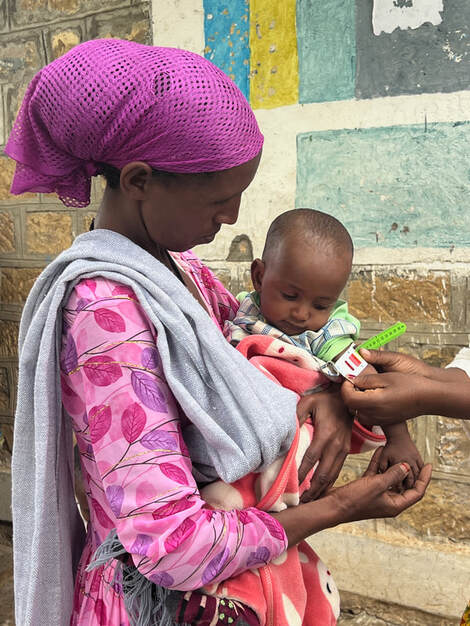
1,600+Partner-reported food support helped children maintain recovery after treatment for severe acute malnutrition. ASDEPO covered local administration and distribution.
Nepal / education
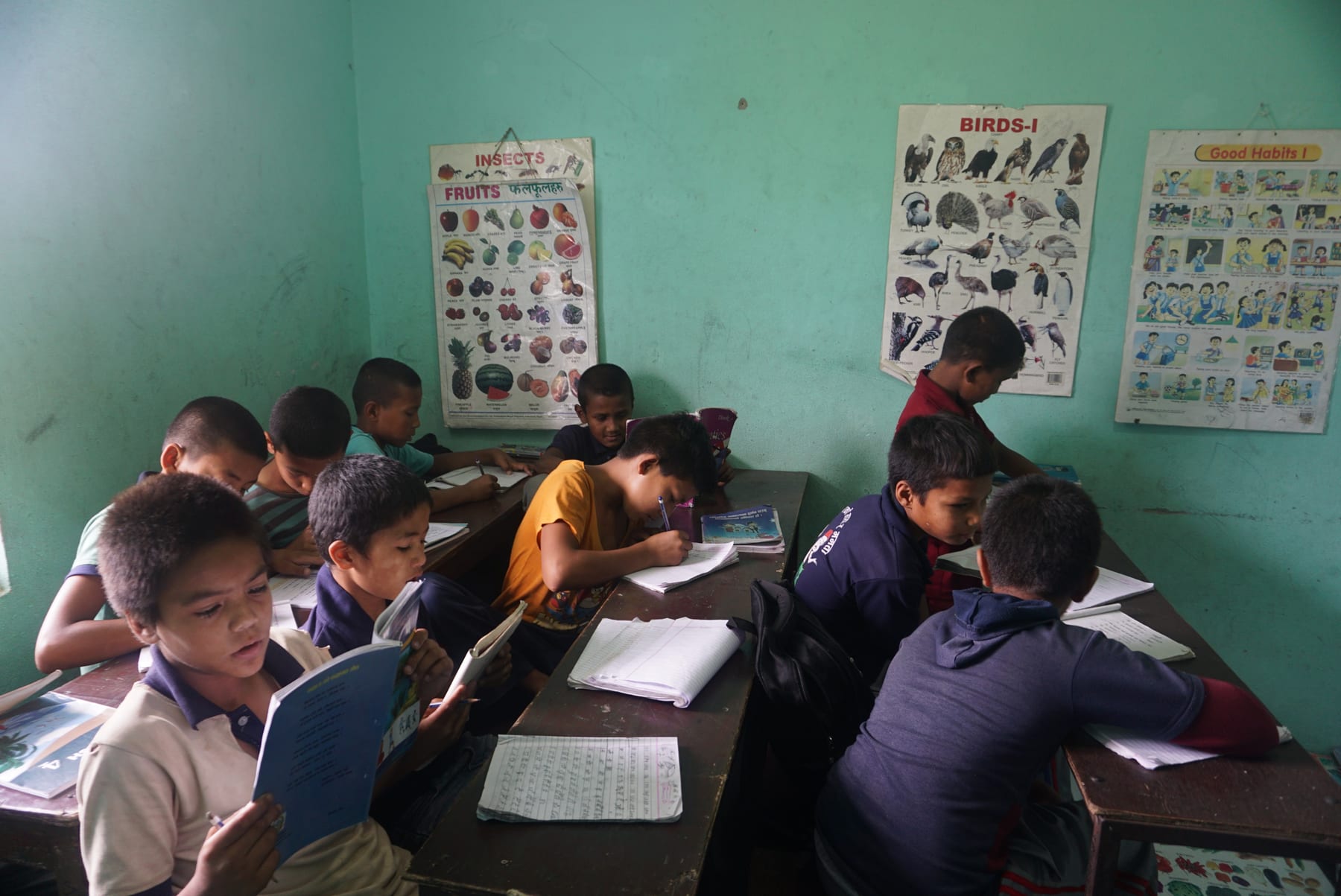
33After an earthquake, funding through dZi Foundation supported temporary learning centers alongside sanitation and WASH needs.
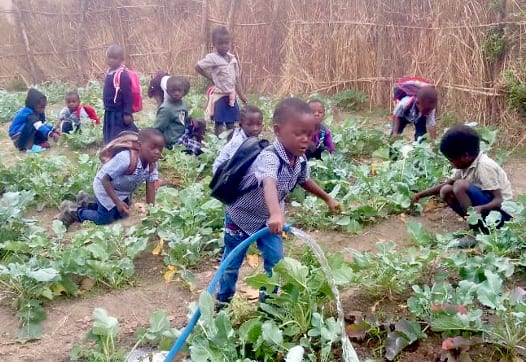
Zambia / infrastructure
50Focused grants helped build a preschool and lavatories, then supported a school garden and practical learning resources.
Sources: grantee reports, grant documentation and Baal Dan program records. Figures describe reported reach or outputs and should not be added across years without accounting for repeat beneficiaries.
Financial stewardship
98.8%of 2025 functional expenses supported programsBaal Dan has no paid staff or office. Volunteers and the founder cover much of the organization’s operating work, allowing the overwhelming share of reported functional expenses to support programs.
Low overhead is not, by itself, proof of effectiveness. Baal Dan pairs efficiency with public filings, defined grants, partner reporting, checkpoints and annual governance decisions.
Design principles
The approach reflects widely used humanitarian principles while remaining proportionate to a small, volunteer-led grantmaker.
Decisions are made as close as practical to the children and communities affected, with local partners defining context and priorities.
Grant size, reporting burden and controls are matched to the need and risk so accountability does not overwhelm delivery.
Child safety, dignity, privacy and continuity of care take precedence over donor visibility or site-visit access.
Smaller commitments and regular checkpoints create room to learn, respond and limit exposure when circumstances change.
Partnership pathways
Baal Dan can complement a foundation or agency portfolio where a smaller, closely monitored funding channel adds practical value.
Fund a defined geography or need such as nutrition, education, disability inclusion or emergency support.
Test a focused intervention with agreed milestones, learning questions and a decision point for continuation.
Create pre-authorized capacity for urgent, locally verified needs where timing materially affects children.
Use Baal Dan’s partner knowledge and monitoring practice alongside a funder’s own compliance requirements.
Bring a geography, population or unmet need. Together we can test fit, define decision rights, align diligence requirements and agree what evidence would support continuation.
Discuss a partnershipResearch and verification
These sources inform the case for locally led work, accountable practice and responsible interpretation of financial efficiency. External frameworks are reference points; listing them does not imply certification or endorsement.
CHS Alliance, Groupe URD and Sphere Association / 2024
Nine measurable commitments centered on rights, dignity, participation, accountability and learning.
Inter-Agency Standing Committee / Ongoing
Humanitarian sector commitments and resources for increasing the role and funding of local responders.
OECD / 2021
Guidance for respectful, effective partnerships that strengthen local civil society and civic space.
United Nations / 2015-2030
Shared global framework spanning poverty, hunger, health, education, equality and effective institutions.
UNICEF / Current resource
Evidence on monetary and multidimensional poverty and its effects on children’s health, learning and development.
Stanford Social Innovation Review / 2009
A caution against treating low overhead as a standalone measure of nonprofit effectiveness.
ProPublica / Public IRS records
Independent access to Baal Dan’s federal Form 990 filings and reported financial history.
Baal Dan’s impact figures are drawn from grant files and partner reporting unless an external source is named. Public financial claims can be checked against federal filings linked on the Financials page. Prospective institutional partners may request additional diligence materials appropriate to a proposed engagement.
Donor voices
“Tanya is hard-working, sincere and dedicated, with a heart for the poor, hungry and needy children of the world.”
“Tanya's efforts were invaluable in communicating the hardship of Somalia's refugees and the work being done to address it.”